

From Fixing to Foreseeing: The Case for Intelligent Asset Management
Our next-generation platform turns what a building already knows into decisions its owner can act on.
20 July 2026
Most buildings only get attention when something breaks; the air-conditioning system fails, a tenant complains, or a cost appears in next quarter's budget that nobody saw coming. In reality, the building had been signalling the problem for weeks. Unfortunately, operations were not set up to pay attention to the signs.
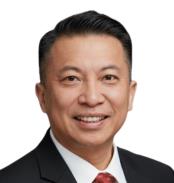
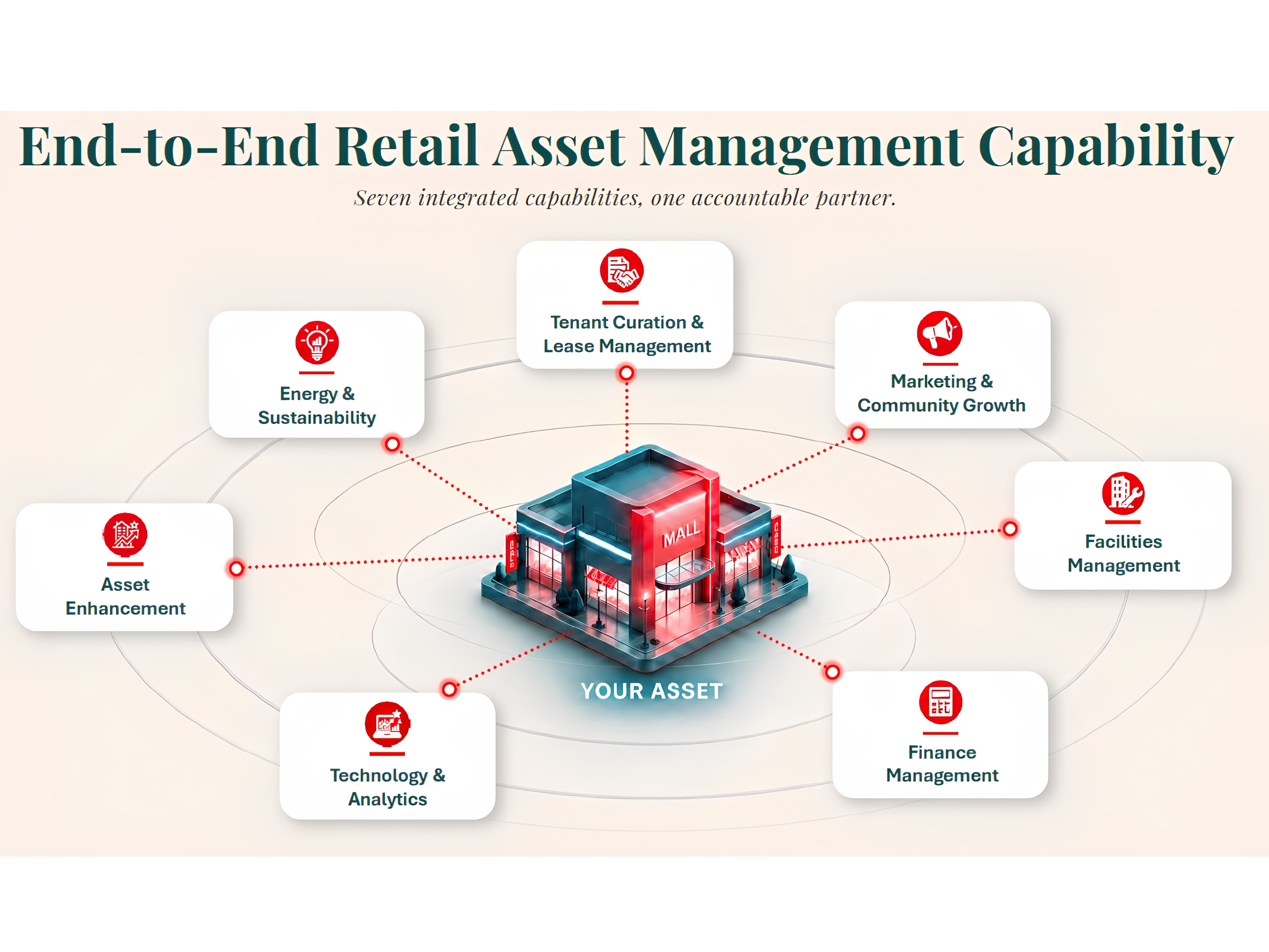
That gap between what a building knows and what its owner knows is where value quietly leaks. Closing it is now the core job of facilities management, and why the Facilities Management team at Knight Frank Property & Facilities Management (KFPFM) has built a next-generation asset management platform developed under COO Adj Prof Dr Alan Wong. Its objective: bring a property's financial, operational and building performance data into a single view.
Why this matters to property owners today
For years, technology in property management meant digitising paperwork. This has proved to be useful, but essentially administrative. More importantly, the question owners are asking has changed. They want to see how their assets are performing day in and day out, not just in a quarterly report. They want to be served warnings before a breakdown, not an invoice with astronomical costs.
And with ESG obligations tightening across Singapore and the region, they require consumption and performance data they can stand behind.
A building already generates all this information, so the problem has never been a shortage of data. Rather, the data has been sitting in silos: finance in one system, maintenance logs in another, energy metering in a third. With poor integration, none of these systems are talking and decisions are made on partial information.
What the platform changes
· Problems surface before they become failures. The platform's AI-supported maintenance detects early signs of asset issues, so intervention is triggered on the owner's schedule rather than the breakdown's. The financial effect is also more direct: with less downtime, longer asset lifecyclesand capital expenditure that is planned instead of forced.
· One version of the truth. An integrated data environment draws operational, financial and performance information into a single source, so issues are flagged in real-time and decisions across departments can be made on the basis of drawing from the same facts. When the leasing conversation, maintenance plan and budget all reference the same data, accountability stops being a debate, and effective troubleshooting ensues.
· ESG reporting built on measurement, not estimates. Energy consumption and building performance are monitored continuously, giving owners the evidence base that lenders, regulators and tenants increasingly require. This way, sustainability targets become trackable line items rather than annual aspirations.
· Everyone connected to the building, connected to each other. A cloud-based command centre and mobile application link tenants and vendors, shortening the distance between a reported issue and a resolved one.
From maintenance record to asset intelligence
When these streams are brought together, the data changes from an operational record to asset intelligence. Occupancy patterns, energy performance and maintenance history are not just operational records but asset intelligence; they are clear evidence of how a building actually performs, which informs how it should be leased, budgeted, repositioned or valued.
Within Knight Frank, that intelligence sits alongside the firm's research, leasing and capital markets expertise. As a result, what the platform learns about a building can inform every decision made about it.
"As the real estate industry evolves, technology should support operations while helping businesses stay ahead of change," says Dr Wong. "With our new platform, we have redefined asset management in an era where data drives faster, smarter, more informed decision-making."
Buildings are already talking, and the owners who benefit will be the ones with a manager equipped to listen.
To learn how KFPFM's platform can be applied to your portfolio, visit https://www.knightfrank.com.sg/commercial/facilities-management.